






What nicotine strength vape liquid should you choose?

The numbers on e-liquid bottles — 3mg, 6mg, 12mg, 20mg — tell you how many milligrams of nicotine are in every millilitre of liquid. Pick too low and vaping won't satisfy. Pick too high and it'll be uncomfortably harsh. Here's how to get it right.
What nicotine strength do I need?
Start with how much you smoked. That's the most reliable baseline.
| Previous habit | Suggested strength |
| Cutting nicotine / tapering down | 0mg |
| Light smoker (under 10 cigs/day) | 3–6mg |
| Moderate smoker (10–20 cigs/day) | 6–12mg |
| Heavy smoker (20+ cigs/day) | 12–18mg |
| Heavy smoker, pod or MTL kit | 20mg salt nicotine |
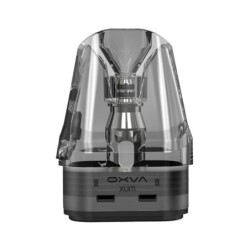
Your device matters too. Sub-ohm kits produce a lot of vapour — they deliver nicotine efficiently, so lower strengths work better. Pod systems and pen-style vapes are less powerful, which is why they pair well with higher strengths, including 20mg salts.
If you're not sure where to start, the Nicotine Vape Juice range at DoctorVape covers strengths from 3mg through to 20mg across a wide selection of flavours — useful if you want to compare options before committing.
Is 20mg nicotine a lot?
It depends entirely on your device.
In a sub-ohm kit — the kind built for direct-lung vaping and big clouds — 20mg is too much. You'd absorb nicotine too quickly, and the throat hit would be severe. Sub-ohm devices are designed for 3–6mg, sometimes 12mg at most.
In a pod system or mouth-to-lung device, 20mg is perfectly manageable. These devices vaporise less liquid per puff, so the nicotine delivery is slower and more controlled. That's exactly what 20mg nicotine salts are designed for.
20mg/ml is also the legal ceiling in the UK and EU under the TPD. It's the strongest vape juice you can legally buy in standard retail — there's nothing stronger available through regulated channels.
Is 2mg the same as 20mg vape liquid?
No — and this is one of the more common points of confusion.
Some e-liquid labels display nicotine as a percentage rather than mg/ml. 2% equals 20mg/ml. They're the same concentration, just expressed differently.
So if you see a bottle labelled "2%" and another labelled "20mg", they're identical in strength. Similarly, 0.3% = 3mg/ml, 0.6% = 6mg/ml, and so on.
Always check which format the label is using before assuming a liquid is weaker than it looks.
Can vape juice expire?
Yes. Most e-liquids carry a shelf life of 1–2 years from the date of manufacture — check the label for the expiry date.
The ingredients degrade at different rates. Nicotine oxidises over time, which is why older liquids often turn darker in colour — from clear or pale yellow to amber or brown. Flavourings also lose intensity as they age. PG and VG are stable on their own, but the liquid as a whole degrades.
Signs a liquid is past its best:
- Noticeable colour change
- Separated or cloudy appearance
- Off or muted smell
- Harsher or flat taste when vaped
Proper storage slows the process significantly. Keep e-liquids in a cool, dark place, away from direct sunlight and heat. An opened bottle won't last as long as a sealed one — use it within a few months of opening.
Can you use any e-liquid in any vape?
Not quite. The main variable is the VG/PG ratio.
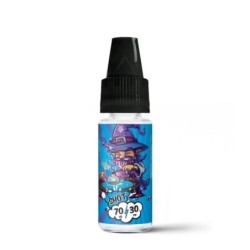
High-VG liquids — 70/30 or above — are thick. They need coils with larger wicking holes to absorb the liquid properly. In a small pod device or older pen kit with narrow wicks, high-VG liquid won't flow fast enough and the coil will burn dry.
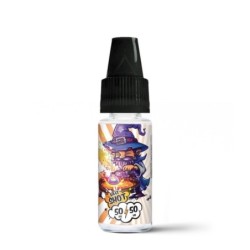
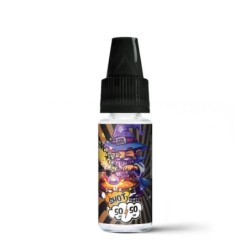
50/50 liquids are thinner and suit almost any device. If you're using a pod system, a pen, or you're not sure what your kit can handle, 50/50 is the safe choice.
Nicotine strength also factors in here. 20mg salt nicotine is designed for low-wattage, mouth-to-lung devices. Running it through a high-powered sub-ohm kit means you'd inhale a large amount of nicotine very quickly — far more than intended.
Match the liquid to the device. Check the VG/PG ratio, check the nicotine strength, and if you're unsure, look up the recommended liquid type for your specific kit — or get in touch with the DoctorVape team and we'll point you in the right direction.